
Living in an arid, cold, tropical or sub-tropical climate means you have to seek out planting advice specific to your area. Major hardware chains, for example, distribute the same plants nationally and many of them will not suit you.
Grapes are a classic example. The standard wine and table grape (Vitus Vitiferus) prefers cool winters, warm dry summers and well-drained soil. There are local variations that respond to climatic conditions, giving the big reds from the Barossa, or the Yarra Valley and New Zealand whites, their distinctive flavour, but sub-tropical Brisbane where I live is outside the zone. Our humid summers cause the fruit to go mouldy, if it forms at all. The vines grow, but most of the energy goes into the leaves not the fruit. This article focuses on some of the alternatives.
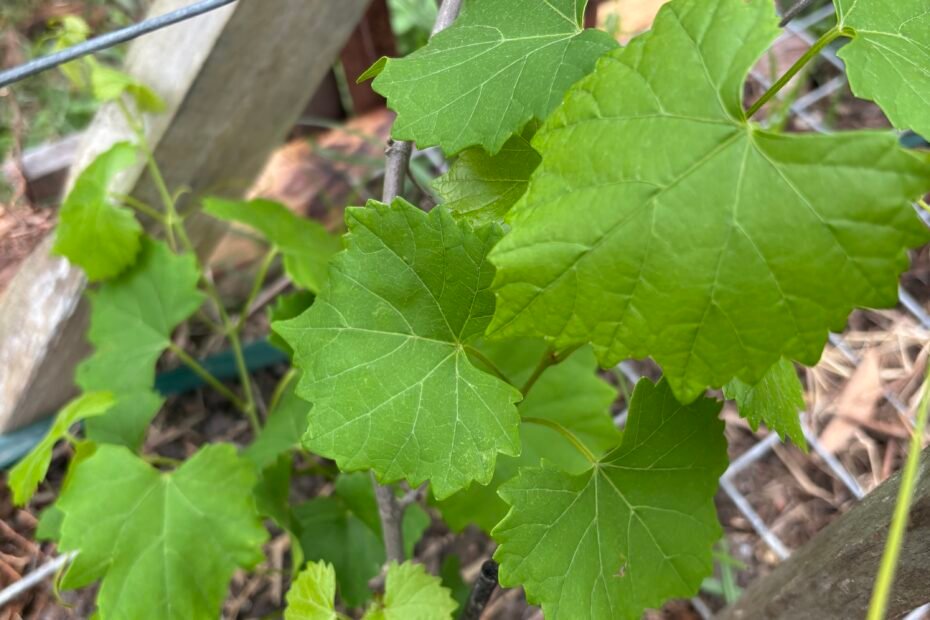
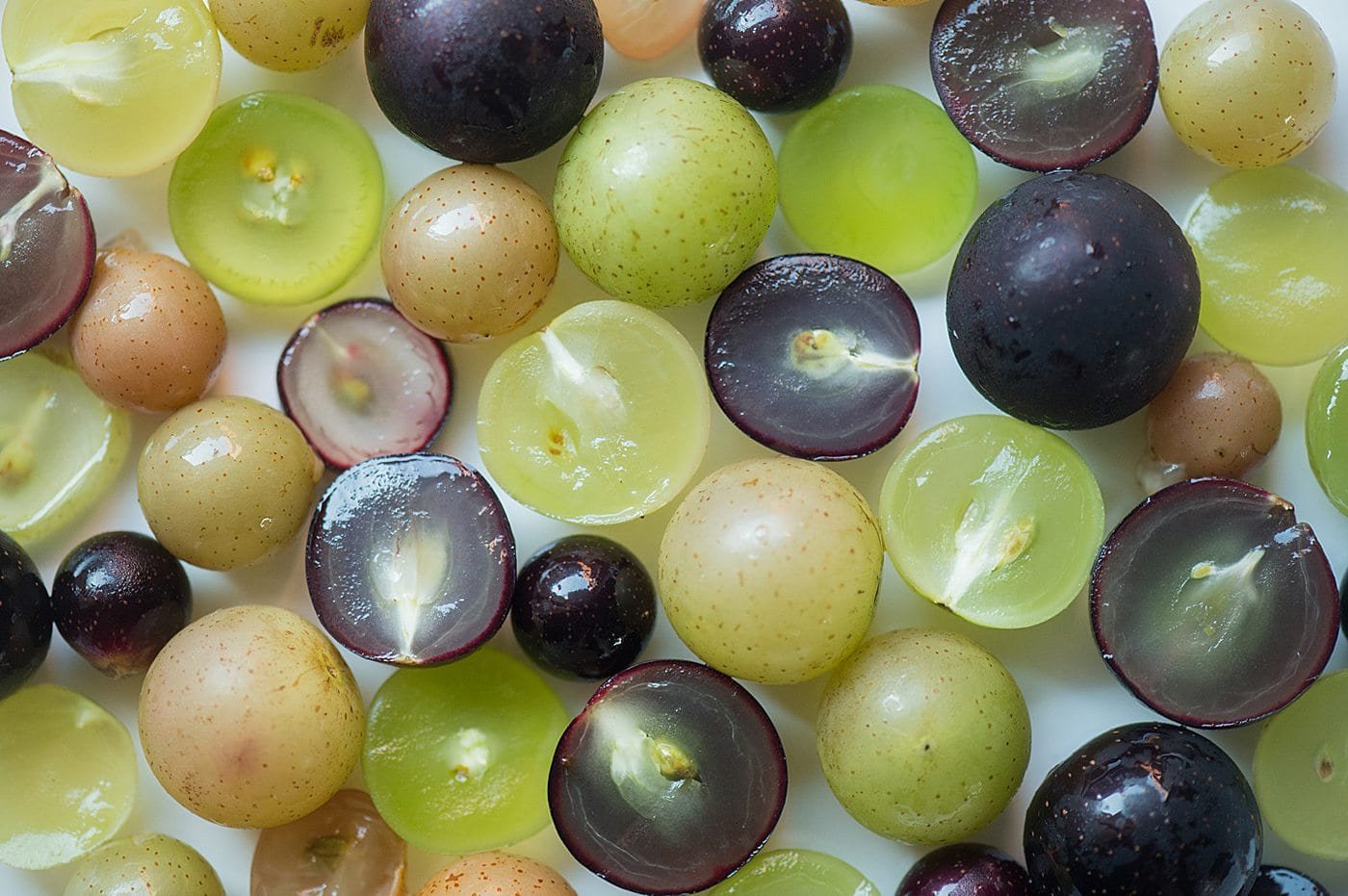
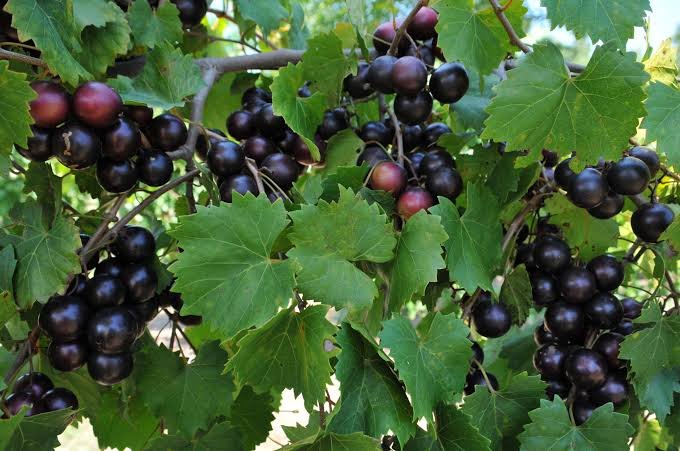
For grape lovers, the Muscadine (Vitus Roundifolia) is the easiest solution. It is available from lots of Australian online nurseries and is generally described as a sub-tropical or humid climate grape. It hails from the south-east of the USA and has been grown commercially for centuries so there are lots of varieties and information about pruning and vine care. If you have grown and pruned European grapes before, make sure you read up on this, because the fruiting pattern is a little different and it is important to leave new wood on the vine each year.
I have a Muscadine Fry I purchased from Daley’s Nursery (apparently the most widely grown variety) and an unnamed variety with a purple berry that came to my via my gardening network and is fruiting vigorously on a large vine 2km away. This is the first year after planting and there is already some fruit forming on the locally proven variety. I am informed that the Fry is a female plant and requires pollination from another plant. Hopefully the purple variety provides the necessary genetic material. Watch this space.
Muscadine grapes
If you are more interested in tree crops, I have a very young Illawarra Plum and a Japoticaba. The plum is three years old and the Japoticaba one year old. Neither are bearing fruit yet so the following information is second hand rather than personal experience.
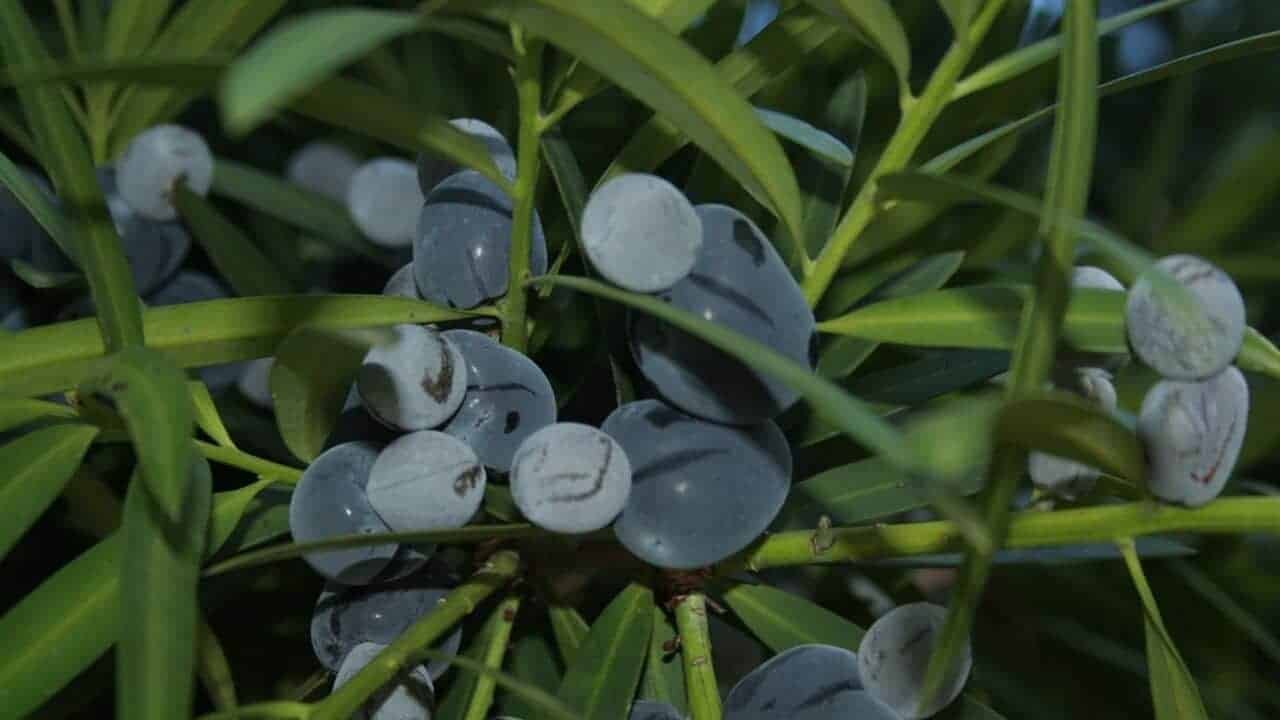
The Illawarra Plum (Podocarpus elatus) is a rainforest tree, endemic to the East coast north of Coffs and widely cultivated and eaten by traditional custodians. It fruits in winter carrying the fruit on the stem. The fruit is large and contains a large inedible seed. Although a conifer, it has flat leaves rather than needles and so as a young plant looks like many members of the Myrtacae family. Experienced cooks recommend avoiding aluminium utensils as the aluminium reacts with the fruit, resulting in an unpleasant bitterness.
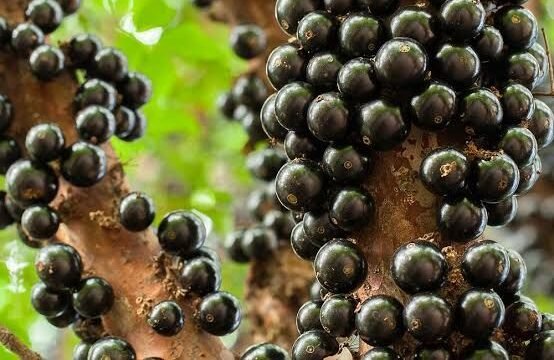
The Japoticaba is widely known as the Brazilian Grape tree (Plinia cauliflora) and bears its fruit on the main trunk. It fruits continually and the skin is astringent but the flesh is sweet. It contains four seed. It is a member of the myrtacae family and there are a wide variety of subspecies used ornamentally, or commercially. If you do not prune this tree it can reach 15 metres in height but it is very slow growing so is not going to get away from you when you are not looking.